
How is climate change affecting Switzerland’s built cultural heritage? The ‘Climate Resilient Cultural Heritage’ project combines climate scenarios with risk analyses and develops concrete strategies for protection and conservation.
The effects of climate change are having a significant and growing impact on Switzerland. In the Alpine region, temperatures have risen twice as fast as the global average since the late 19th century. These trends are set to intensify in the coming years and pose an acute threat to our architectural heritage.
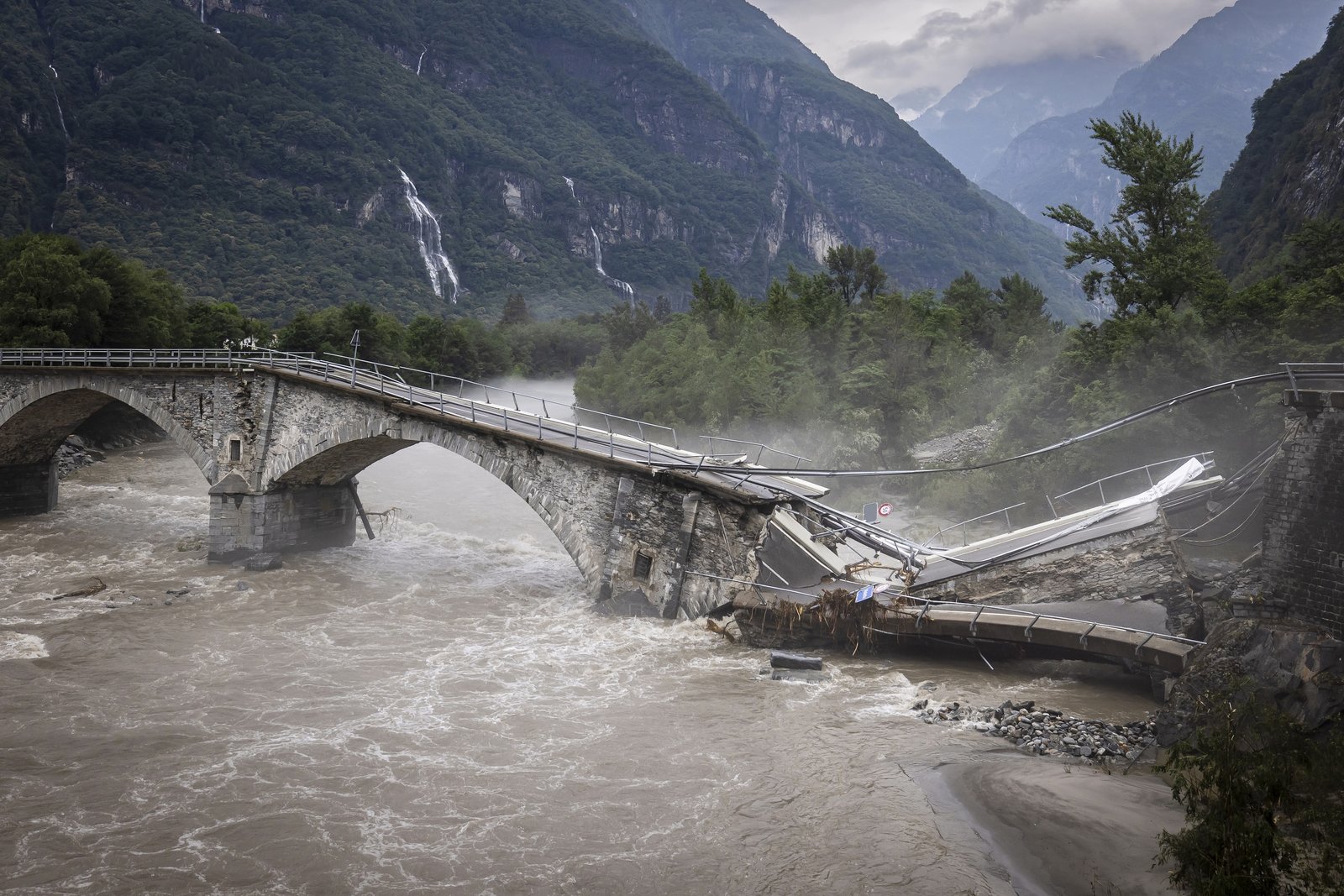 © Keystone / Michael Buholzer
The ‘Climate Resilient Cultural Heritage’ project is the first to investigate the state of climate resilience among Switzerland’s historic buildings: Which climate factors are having a negative impact on these structures? Which have a positive impact? Where is damage occurring and what is the pattern of damage? What challenges will the climate pose for historic buildings in the future? What specific measures offer protection? How can effective prevention and stabilisation measures be implemented?
For the first time in Switzerland, we are systematically linking climate scenarios with site-specific risk analyses and conservation strategies for historic buildings. In this way, the wealth of available climate data is broken down for everyone working in the heritage sector. Our holistic approach, which addresses various analytical, preventive, social and political dimensions, has an impact on three levels.
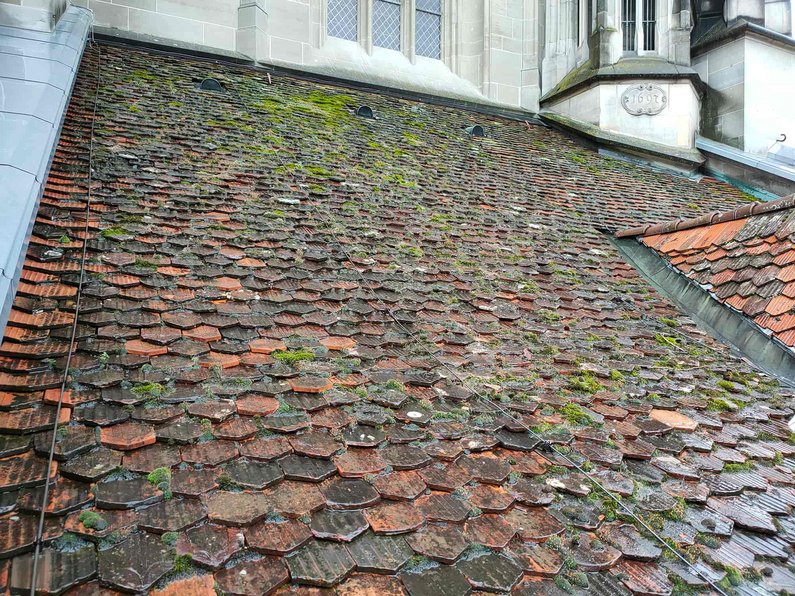 © Berner Münster-Stiftung, Bern
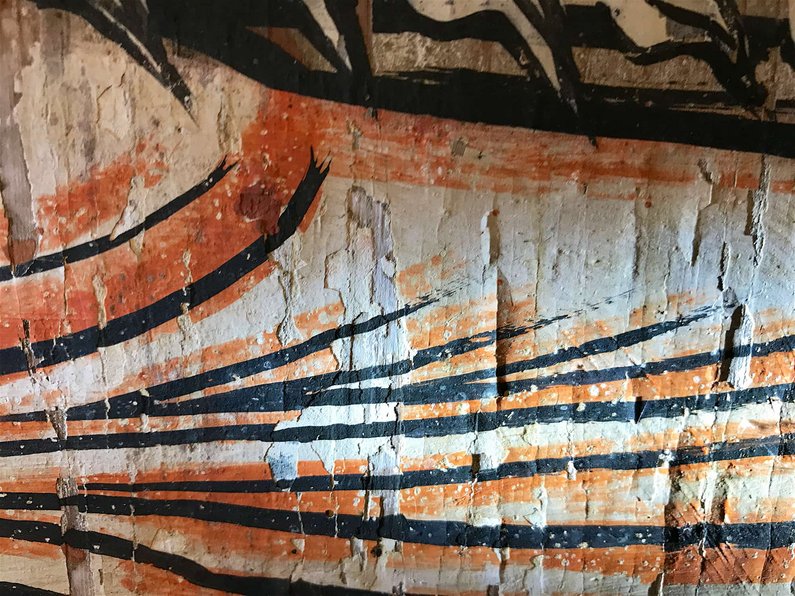 © 2017 Andreas Franz, ARGE Kirche Zillis | Franz + Rampa, Right of use: Stiftung Kirchendecke Zillis
Direct impact – We analyse climate-related stress factors and their effects on built heritage using specific case studies.
Based on a climate risk profile and an in-depth vulnerability assessment, specific strategies to strengthen climate resilience are developed for the case study sites. Vulnerability describes how susceptible a building is to climate-related impacts. The climate risk profiles systematically identify these vulnerabilities by linking climatic hazards to the specific characteristics of a building. This enables risks to be identified at an early stage and targeted protective measures to be developed. Urgent preventive and stabilising measures are implemented immediately, and maintenance routines and processes for long-term monitoring are defined. Rather than reactively repairing damage that has already occurred, this approach enables damage prevention. It preserves the historic fabric and results in lower overall costs.
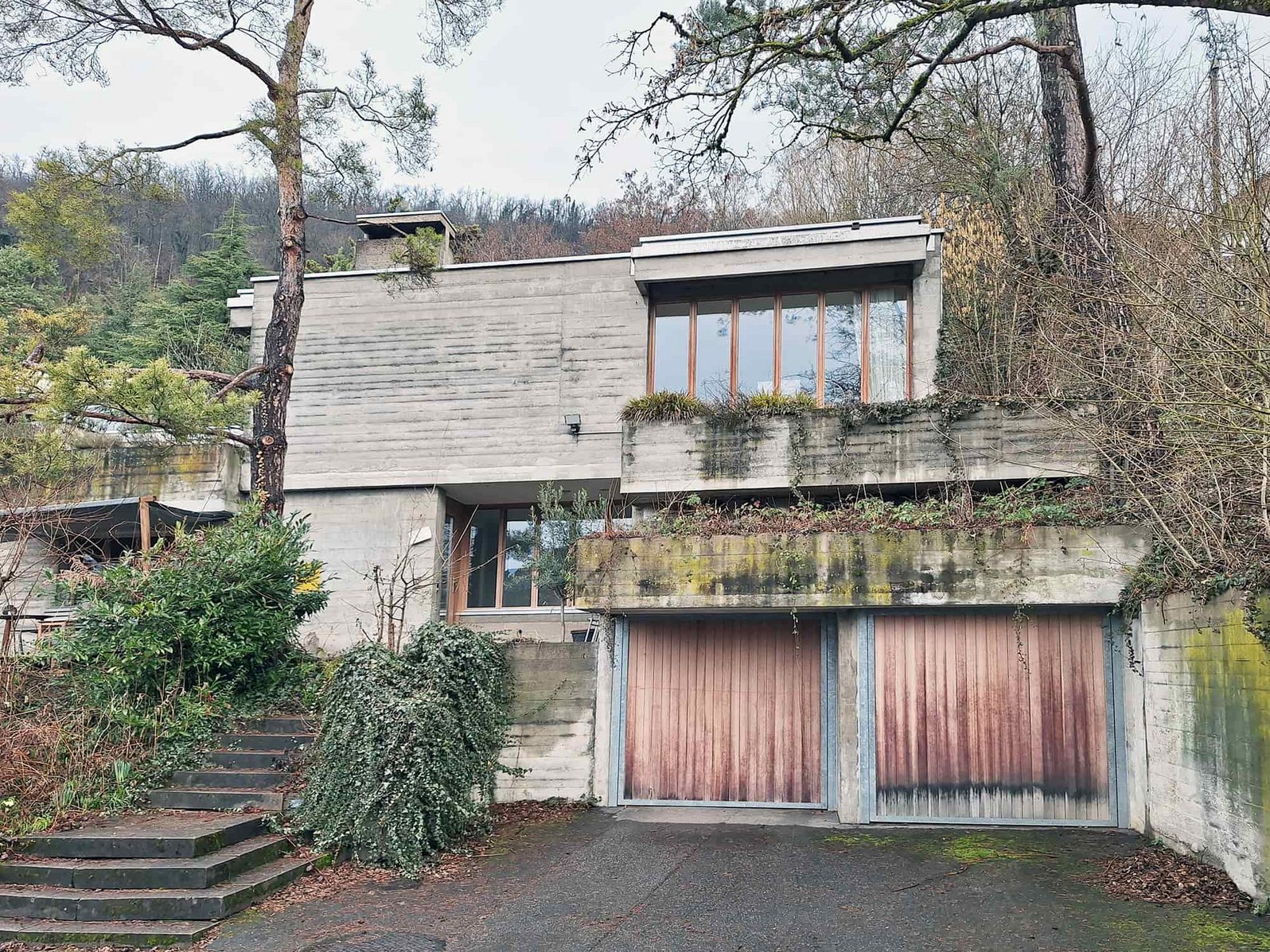 © HKB / Jonas Roters
Indirect impact – We develop new recommendations for action and build sustainable networks of experts and citizen scientists.
The research findings are incorporated into a modular practical toolkit comprising collections of methods, guidelines, examples of good practice, and a range of courses and training programmes available on a long-term basis for specialist agencies, experts and property owners. This provides Switzerland, for the first time, with tools that enable the assessment of the impacts of climate change on built heritage and the early implementation of preventive measures.
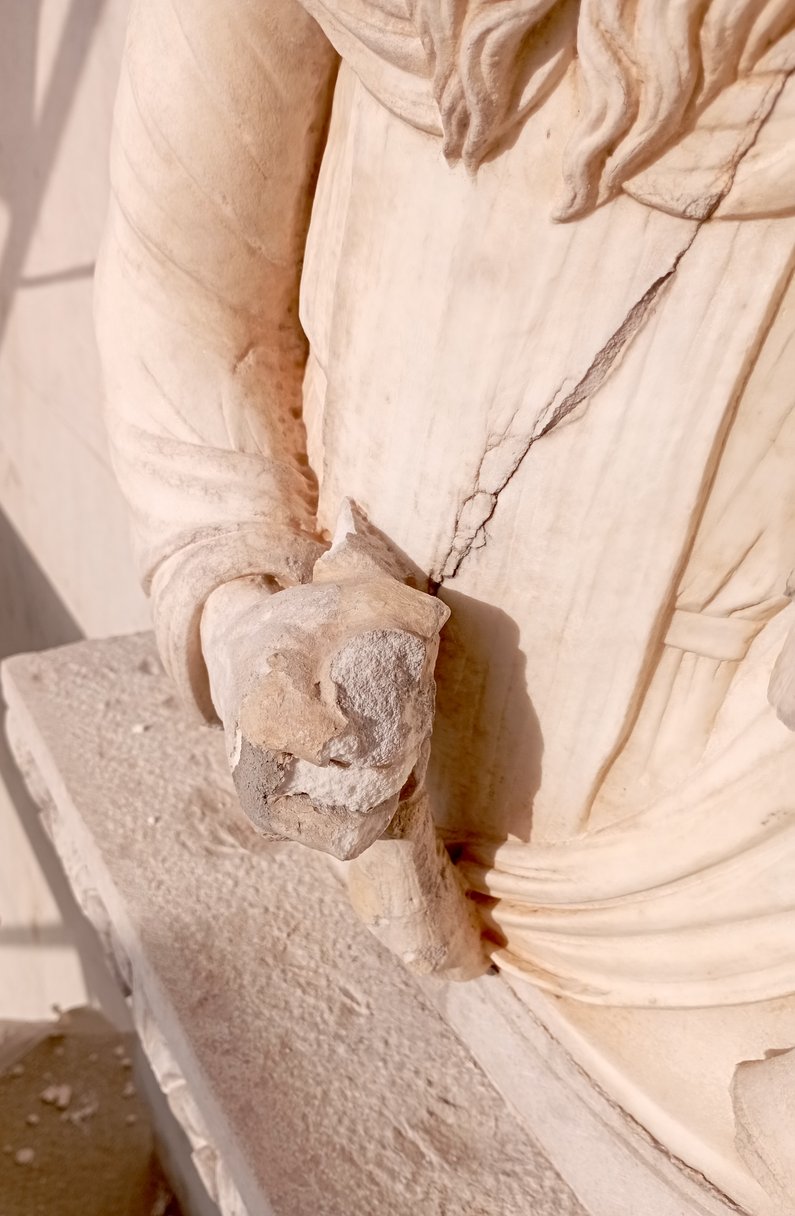 © SUPSI / Francesca Piqué
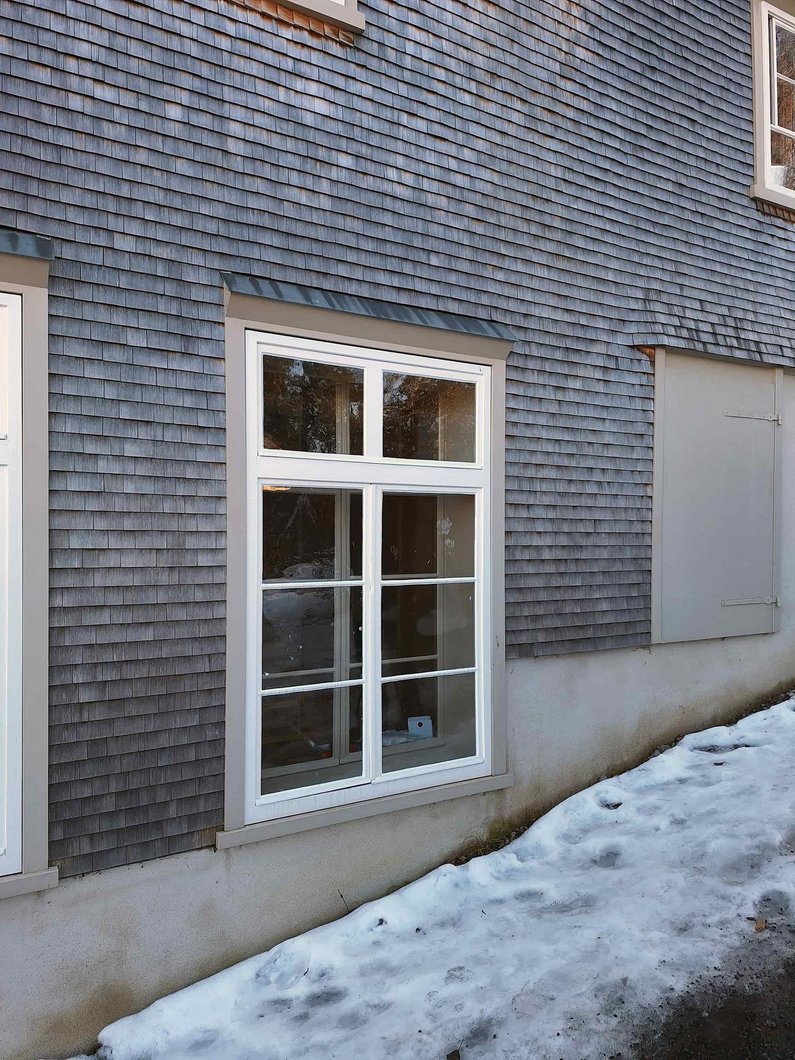 © HKB / Jonas Roters
Systemic impact – We are translating the project’s findings into a set of policy recommendations.
The findings will be published in a white paper entitled ‘Climate Change and Cultural Heritage’, which outlines new policy strategies for the long-term preservation of Switzerland’s built heritage. In doing so, the project makes an important contribution to Switzerland’s adaptation to climate change.
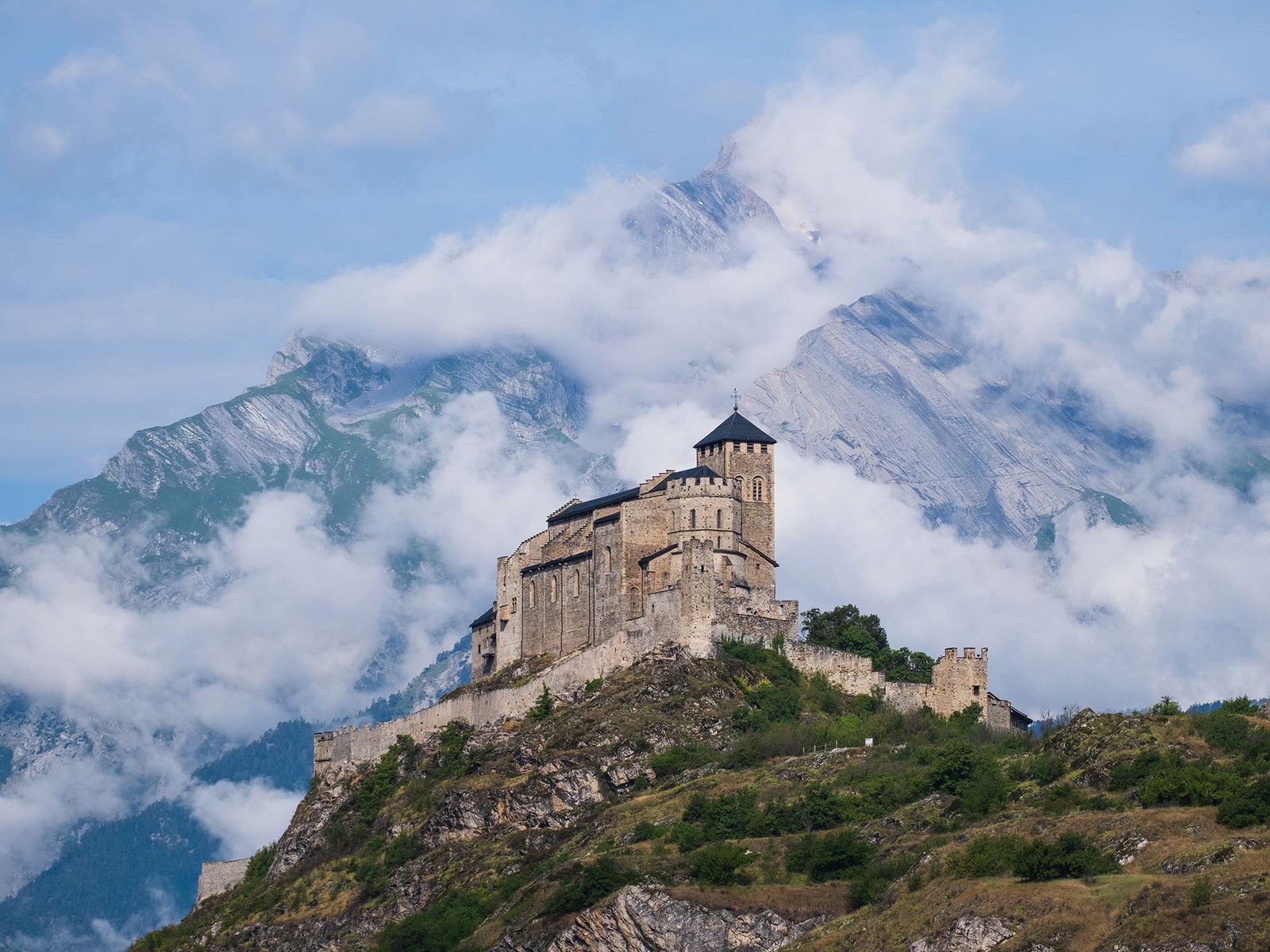 © Christian David / Wikimedia Commons