
Climate change is having a noticeable impact on Switzerland – with rising temperatures, more frequent extreme weather events and new risks. These developments are posing an increasing threat to our built heritage and accelerating the deterioration of historic buildings.
Since the beginning of the 20th century, global average temperatures have been rising steadily, accompanied by an increase in extreme weather events such as heatwaves, droughts and heavy rainfall. Global climate change is a reality. Climate trends in the 20th and 21st centuries are primarily driven by human greenhouse gas emissions.
 © Federal Office of Meteorology and Climatology, MeteoSwiss
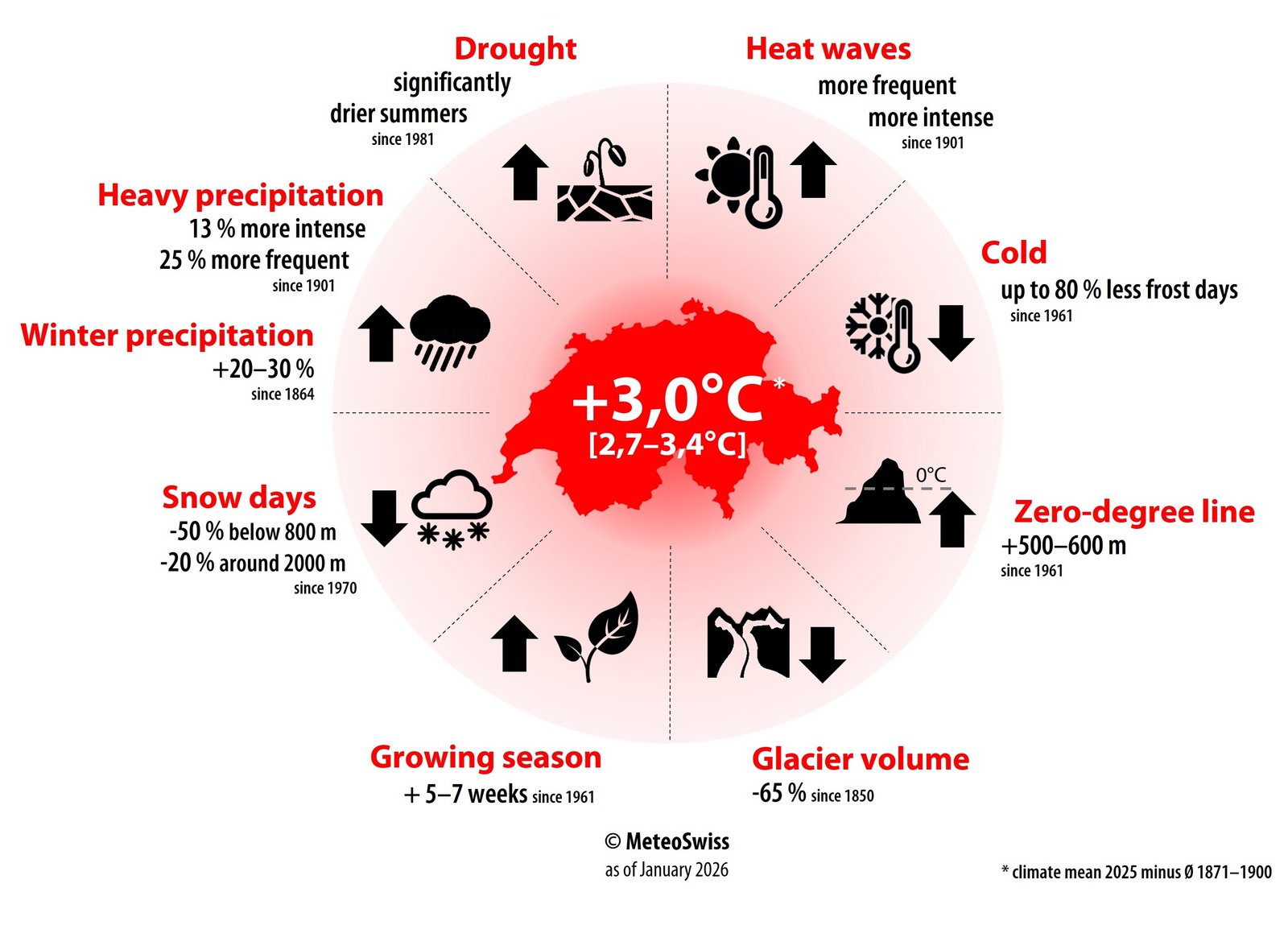
Climate change varies greatly from region to region. As of January 2026, the temperature rise in Switzerland stands at 3°C compared with pre-industrial levels (1850–1900). This is roughly twice as high as the rise in the average global surface temperature. In summer, on the one hand, dry spells and heatwaves are increasing, whilst on the other hand, winters are seeing less snow and rainfall is becoming more intense.
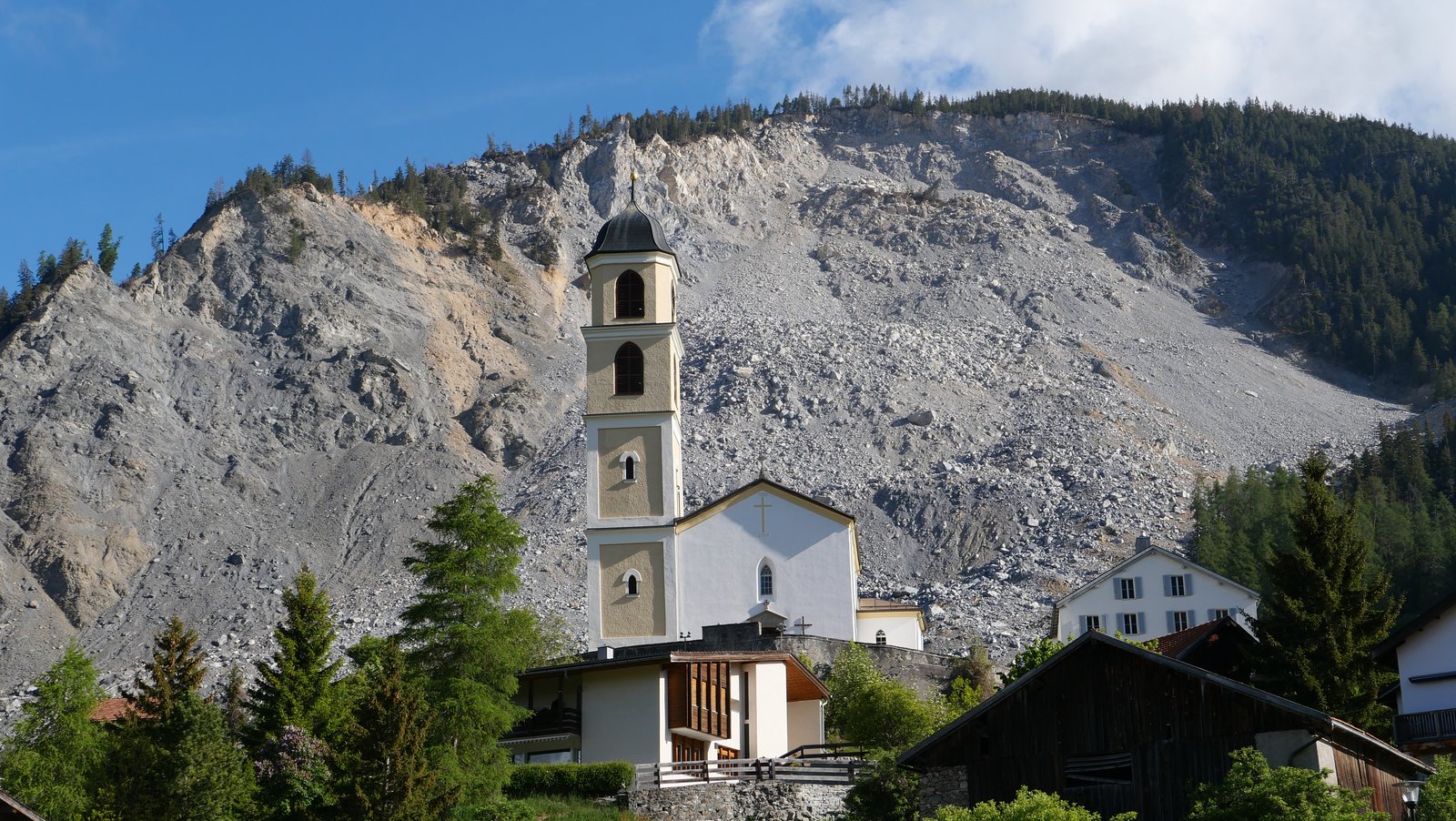
The Alpine region is particularly sensitive to these climatic changes. In addition to the retreat of glaciers, the thawing of permafrost is also progressing. Both developments destabilise the subsoil and increase the risk of natural hazards such as rockfalls, landslides and debris flows. At the same time, the zero-degree isotherm is shifting upwards, leading to reduced snow cover and altered living conditions for alpine ecosystems. This has a significant impact on flora and fauna. The effects of climate change are also clearly noticeable in Switzerland outside high-altitude areas. Heavy rainfall is leading to flooding with increasing frequency. In urban areas, the heat stress is further exacerbated by heat islands. Forests and agricultural land are under severe pressure from both increasing aridity and the spread of pests.
 © HKB / Stefan Zumbühl
All these climatic changes are having a noticeable impact on Switzerland’s built cultural heritage. A needs assessment carried out by the Federal Office of Culture in 2023, as well as a representative survey conducted as part of our project (2025), clearly show that the effects of climate change pose an acute threat to Switzerland’s built heritage.
Climate change intensifies and accelerates damaging processes affecting architectural heritage, as it generates additional stresses through physical, chemical and biological mechanisms. A distinction is made between sudden and gradual climate events:
Extreme events
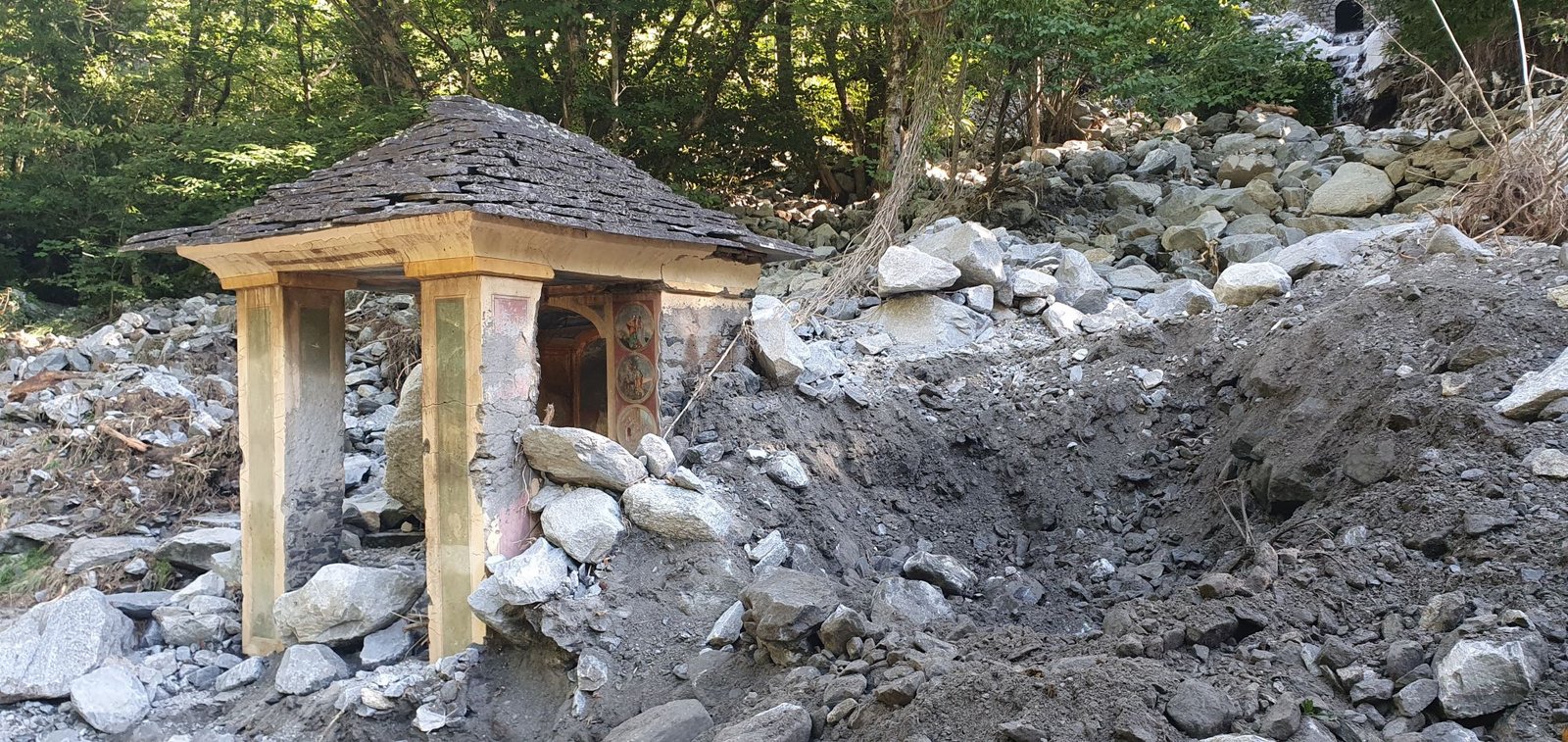
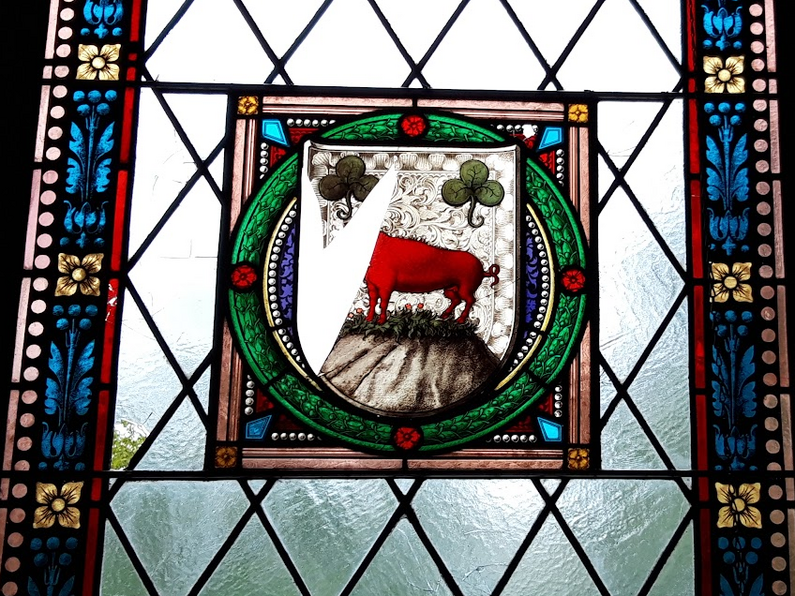
Climate trends are set to intensify in the coming years. They pose new risks to built heritage. Extreme events such as storms, fires, floods and landslides are becoming more frequent.
 © Fondazione Valle Bavona
 © Kirchgemeinde Flaachtal
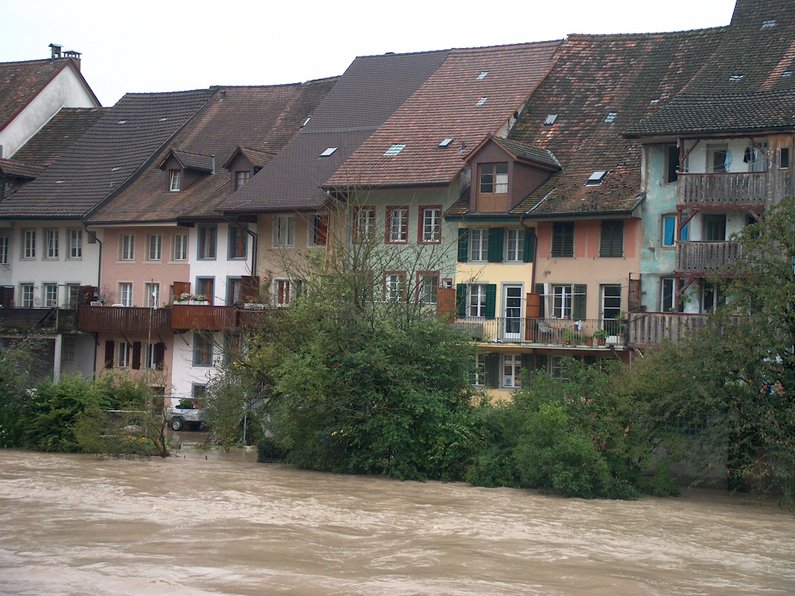 Photo Felix Schacher © fotoarchiv-mellingen
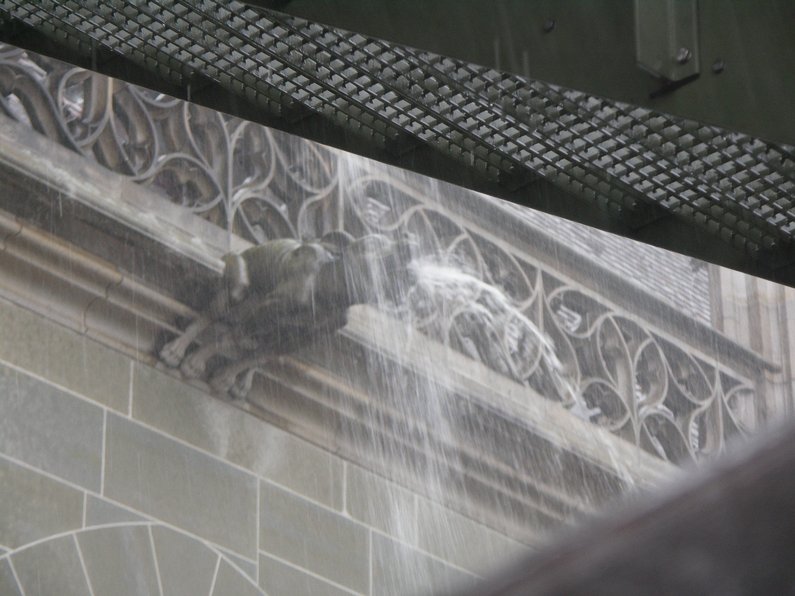 © Berner Münster-Stiftung, Bern
Progressive climate events
At the same time, progressive climatic events are also steadily increasing. Their effects only become apparent gradually, as their progression is insidious and the damage accumulates. These include higher temperatures and humidity, as well as changing rainfall patterns and salt crystallisation. They cause building materials to deteriorate more quickly. Furthermore, warm, humid environments encourage pests such as house longhorn beetles, wood ants and wood-boring beetles. Algae, mosses and moulds also grow more rapidly under these conditions.
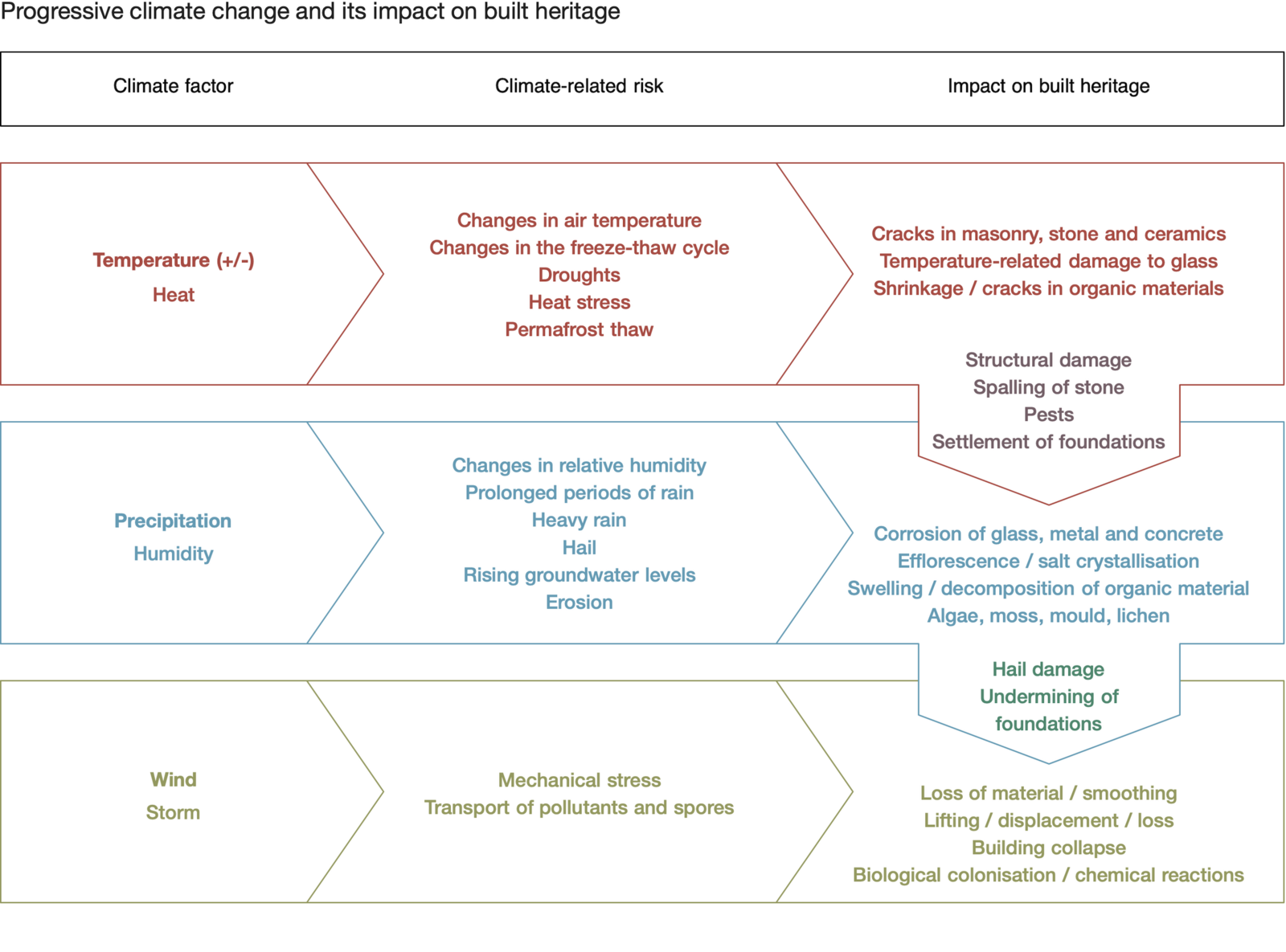 © HKB / Jana Minder
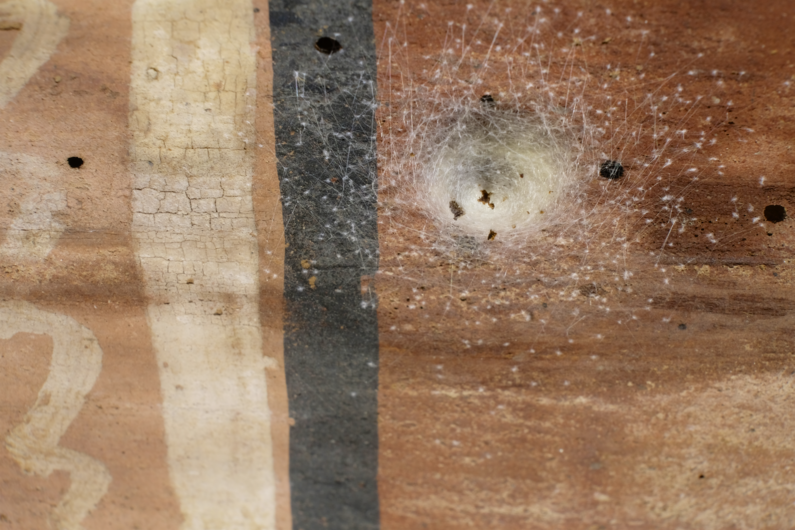 © 2017 Andreas Franz, ARGE Kirche Zillis | Franz + Rampa, Right of use: Stiftung Kirchendecke Zillis
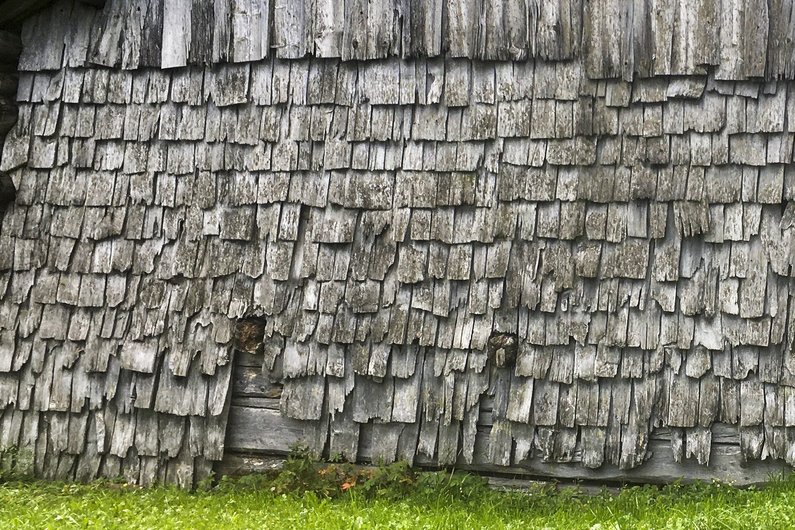 © E-Nachschlagewerk für das Bauen an historischen Häusern, Photo: Fredi Altherr
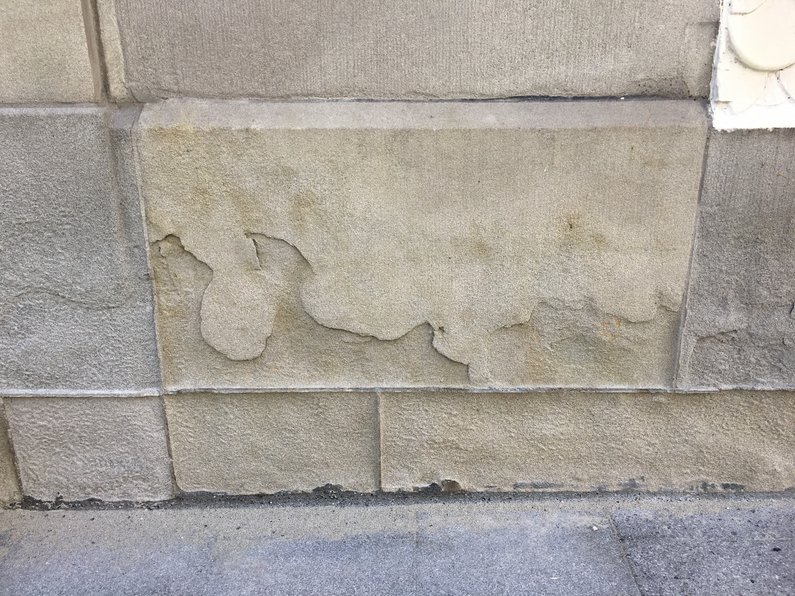 © E-Nachschlagewerk für das Bauen an historischen Häusern, Photo: Martin Benz
Interaction
The interaction between the two phenomena mentioned above is considered particularly dangerous: gradual damage leads to a permanent weakening of the fabric of historic buildings, which in turn makes them more vulnerable to acute extreme events.