
Zenith Manufacture, Le Locle NE
 © Reto Duriet
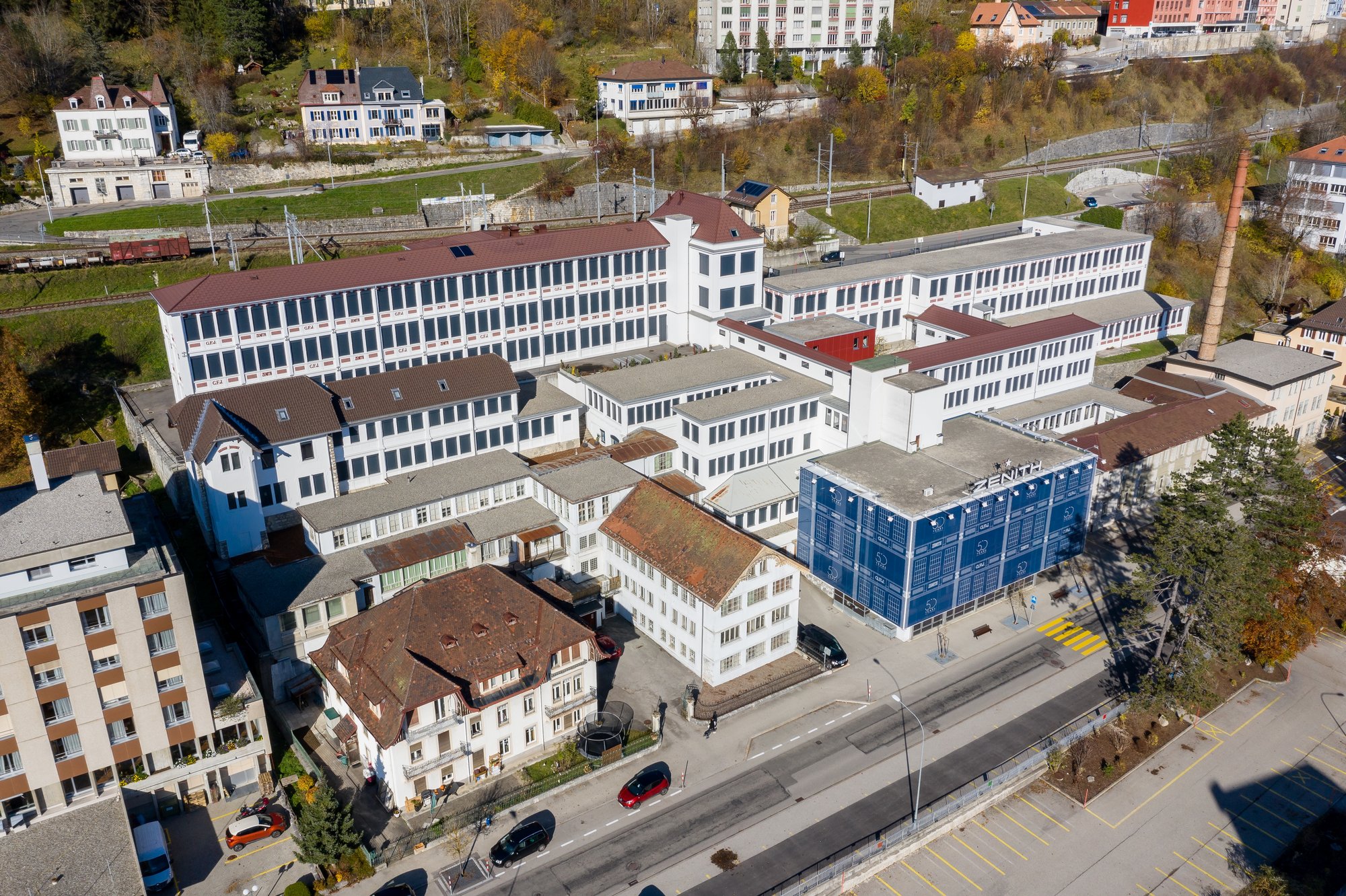
Founded in 1865 by Georges Favre-Jacot, the Zenith watch manufacture was one of the very first examples of vertical integration in Swiss watchmaking: this explains the scale of the site, which also included a quarry, a brickworks and a foundry.
Modifications and additions have been made up to the present day, in line with the evolution of its business. Nevertheless, the site has largely retained its original buildings, erected between 1865 and 1905. A common foundation is evident in most of these buildings: concrete brick walls and a load-bearing structure comprising cast-iron columns supporting a network of wrought iron or steel beams and girders.
The roofs, however, have undergone various alterations, resulting in a variety of materials: ceramic tiles, lacquered aluminium tiles, galvanised and/or painted steel sheets, zinc sheets, or even flat roofs covered with gravel – and, more recently, solar panels.
Our Questions
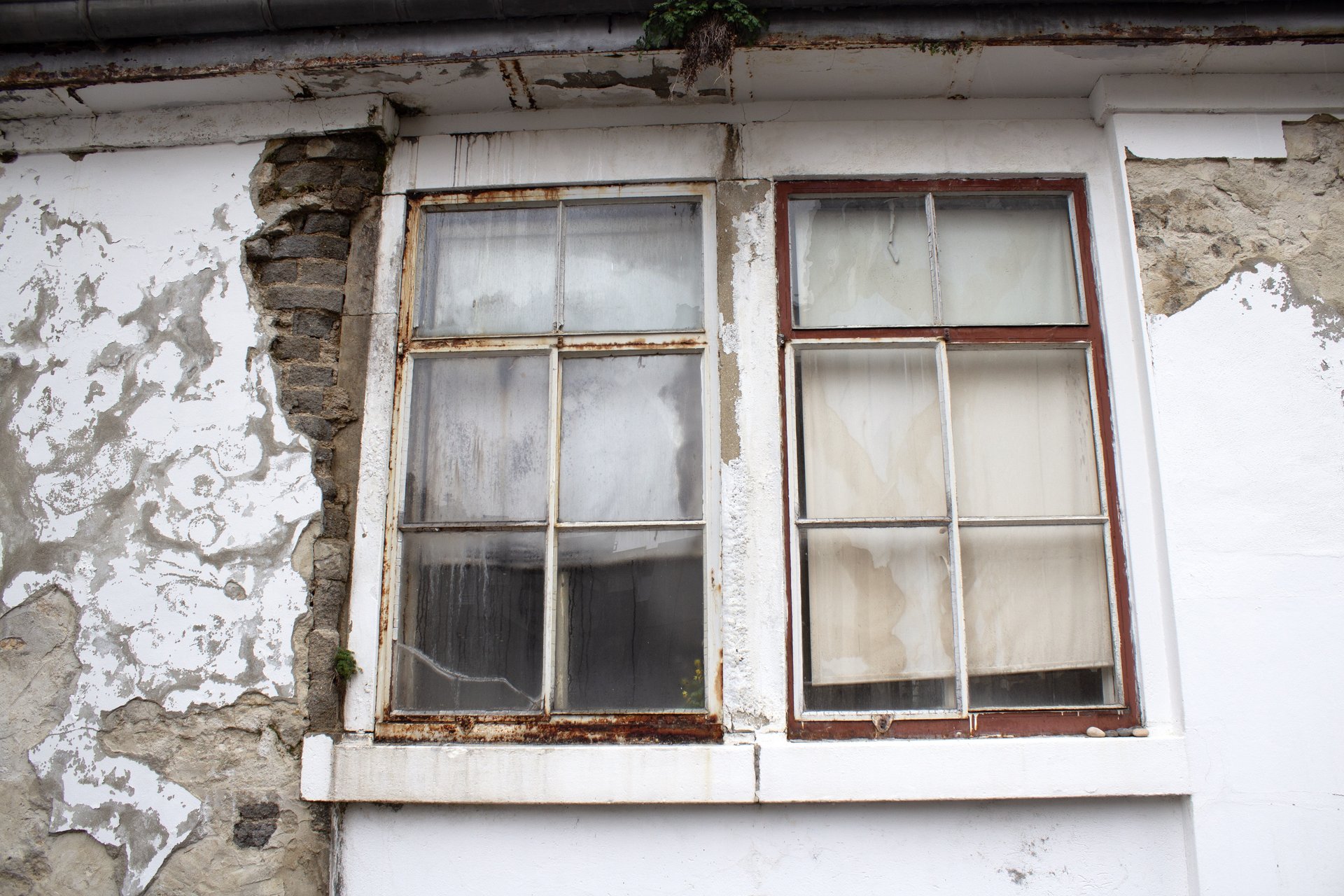
- How can historic iron alloy components be effectively preserved in regions where, during the winter, rain is gradually replacing snow?
- What solutions would allow these older parts to be showcased whilst repurposing them for new activities within the company?
- Last but not least, what are the risks associated with landslides in this marshy area, where most of the buildings on the street below have suffered damage due to gradual subsidence?
 © HE-Arc
Participants
- Edith Joseph, project team member
- Joane Latty, project team member
- Laurence Bodenmann, anthropologist and historian, Head of the Heritage Department at Zenith
- Dominique Boucher, locksmith, Head of General Services at Zenith